DNF: Tress of the Emerald Sea by Brandon Sanderson

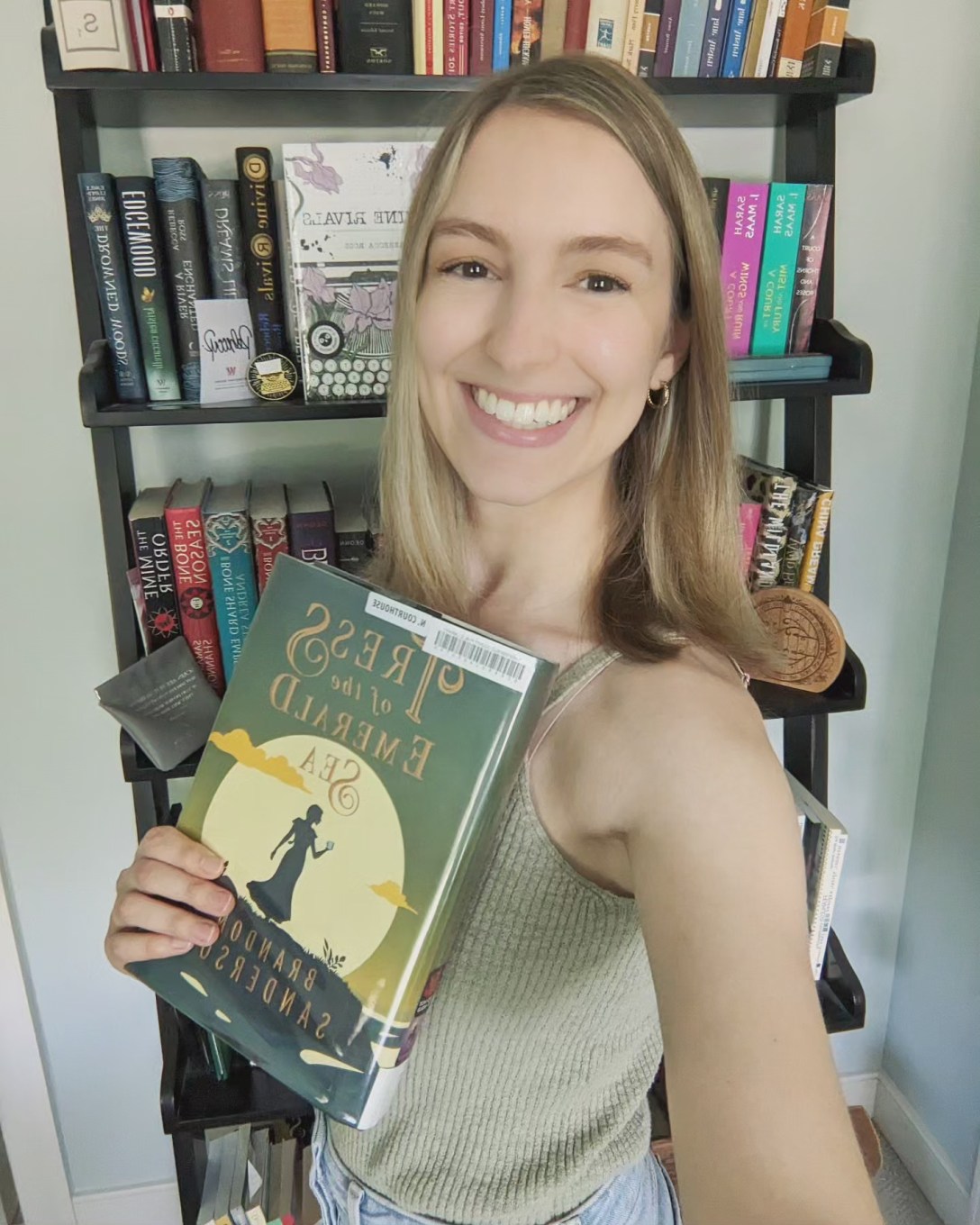
Alexis holds a library copy of the book in front of a bookshelf

Alexis:

Whelp, I DNFed Tress of the Emerald Sea. Given all the rave reviews, this book wasn’t what I expected.

The thing that threw me off the most was the narration style. Even though Sanderson explains this in the back of the book, it wasn’t working for me (or the story, in my opinion). The narrator is a character who appears later in the book. So even though the story is in 3rd person POV from Tress’ point of view, it’s technically actually in 1st person from the narrator’s POV.

The narrator is obnoxious. He’s constantly making side remarks and comments and cracking dumb jokes. It ended up completely taking me out of the story.

It doesn’t help, however, that I feel like I barely got to know Tress as a character. The romance is one dimensional, and the characters also feel one dimensional. The pacing felt off. The spore sea was interesting (the ocean isn’t actually water, but made of fungi spores) but everything else made me put this book down. 

(Also, yes, I’m aware that the book is flipped in the photo šŸ˜‚)

DISCLAIMER: I haven’t read Sanderson’s Cosmere series, which is where this book is set. I know I would understand the world more if I did! However, since this book is a standalone, I am reviewing it as a standalone book.

Review: Jade City by Fonda Lee

Alexis:

Jade City was unlike any book I’ve ever read; however, it wasn’t really for me. I honestly considered DNFing it 50 pages in, but I’m glad I stuck with it!

Jade City is described as a high fantasy, and that’s not entirely true. Sure, the world is a fantasy world, based on Japan, but the use of jade, which grants the Kekonese people superhero-like powers, is really the only fantasy element. The rest of the book has a gritty, almost noir feel. The best way to describe this book is The Godfather mixed with martial arts movies.

The writing style is cool, almost business-like, but it flows well. The worldbuilding is intense, and this book as a whole is very dense, so much so that it sometimes felt like a chore to read it. That being said, I did really enjoy certain parts of this book, and Lee is clearly a master worldbuilder. 

My main critique is that I never became super invested in the characters. I enjoyed reading Shae and Anden’s perspectives the most, yet they never really shone on the page. The third person POV was too distant, and it didn’t help that each chapter was from the perspective of a new character, and there were a myriad of characters in this book.Ā 

If you’re specifically looking for a book that’s majority fueding mobsters, with a small dash of fantasy and political intrigue, then go for it. But unfortunately, it wasn’t my kind of read.

VERDICT: ⭐⭐.5 /5

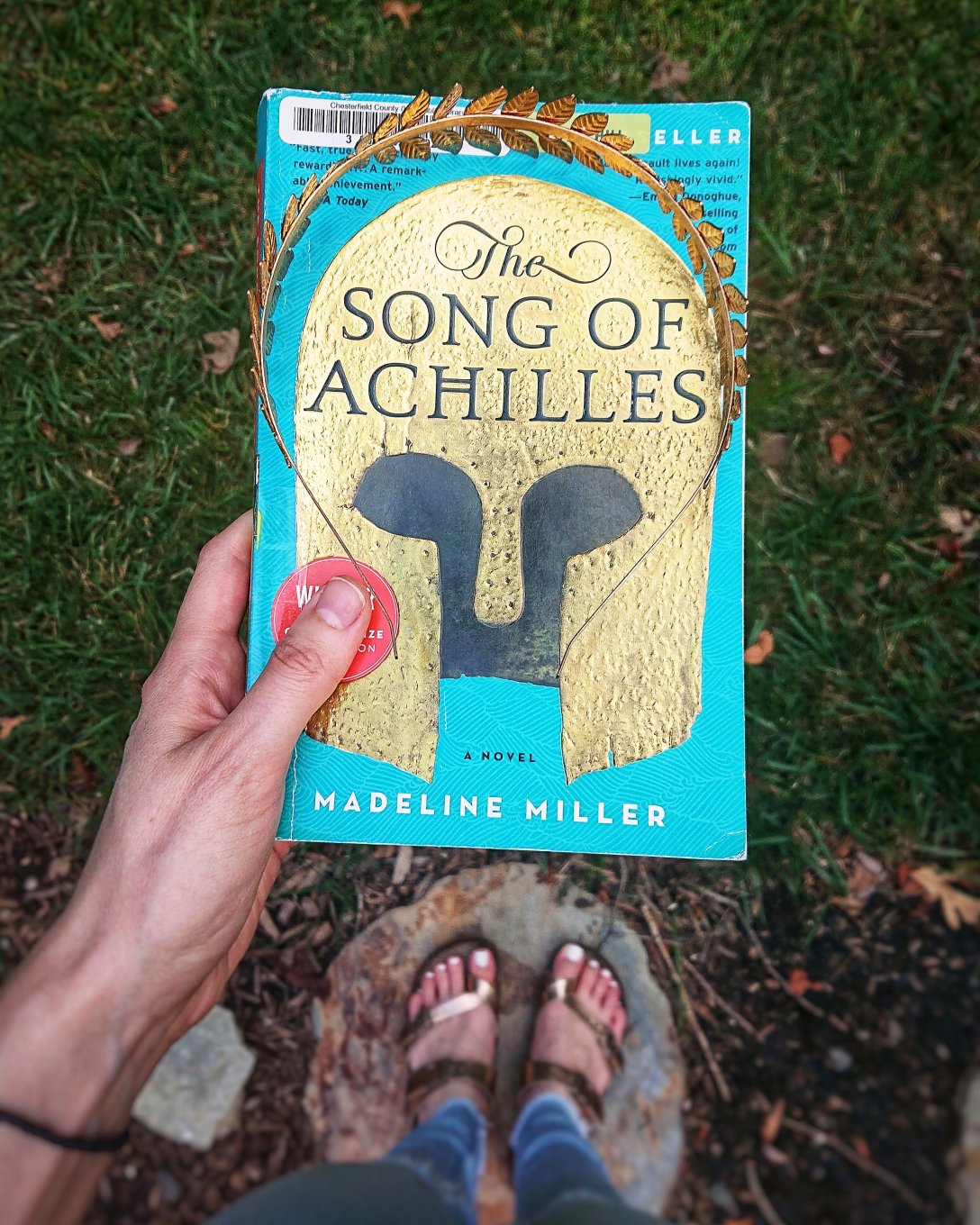
Review: The Song of Achilles by Madeline Miller

Alexis:

What a beautiful love story. Because at the core, this is a love story. Because anyone who knows Greek mythology knows that Patroclus was Achilles’ lover, not “friend.”

Millers’ love for Greek mythology shines in this book. And she knows the ins and outs of it. She captures the Ancient Greek culture and society so well, including the Ancient Greek definition of honor, that I felt like I was being transported back to my three years of Latin class. Everything stays true to Homer, even her creative liberties.

And Miller’s writing is just beautiful, even when it’s brutual; she doesn’t sugarcoat the Trojan War. Even her similes are steeped in the culture, and Patroclus often compares things to olives (which makes my half-Greek self happy!)

I think writing from Patroclus’ POV was a brave choice, but it worked really well for the story as a whole. And I loved how Miller filled in the gaps of he and Achilles’s story. And their relationship is really the shining star of the book. Miller just poured emotion and chemistry and characterization into them.

The only thing that bothered me ***(small spoiler, but really, this story has been around forever) is that Achilles’ heel was taken from the story, and he dies in a different way. I understand why Miller changed it, but I think it’s such an iconic part of Achilles’ story that it felt a little off.

VERDICT: ⭐⭐⭐⭐⭐

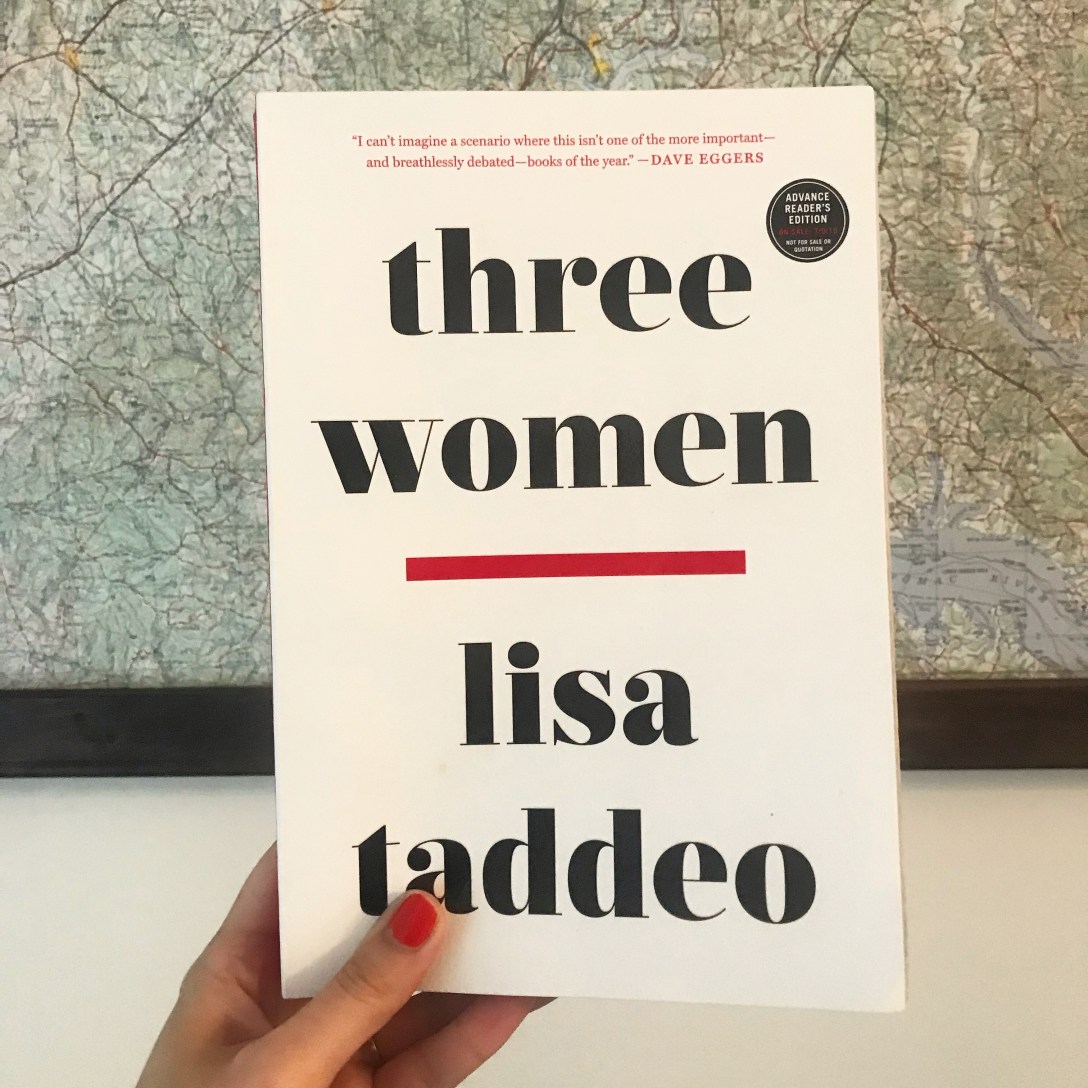
Review: Three Women by Lisa Taddeo

Anna: Three Women is hands-down the most original book I’ve read all year. Inspired by the stories of three real women, Lisa Taddeo explores how women are blamed and othered for showing any kind of sexuality that goes against the norm.

My favorite story to read was Maggie’s, who had an inappropriate relationship with her teacher when she was in high school. Looking back on it years later she realizes that she was taken advantage of, but when she presses charges no one wants to see the truth.

This is a slow but explosive book that shows how women are systematically shamed and repressed. It’s not exactly hopeful, but it’s important, and something I’m going to be thinking about for a long time.

VERDICT: 4 books

Support Independent Bookstores - Visit IndieBound.org

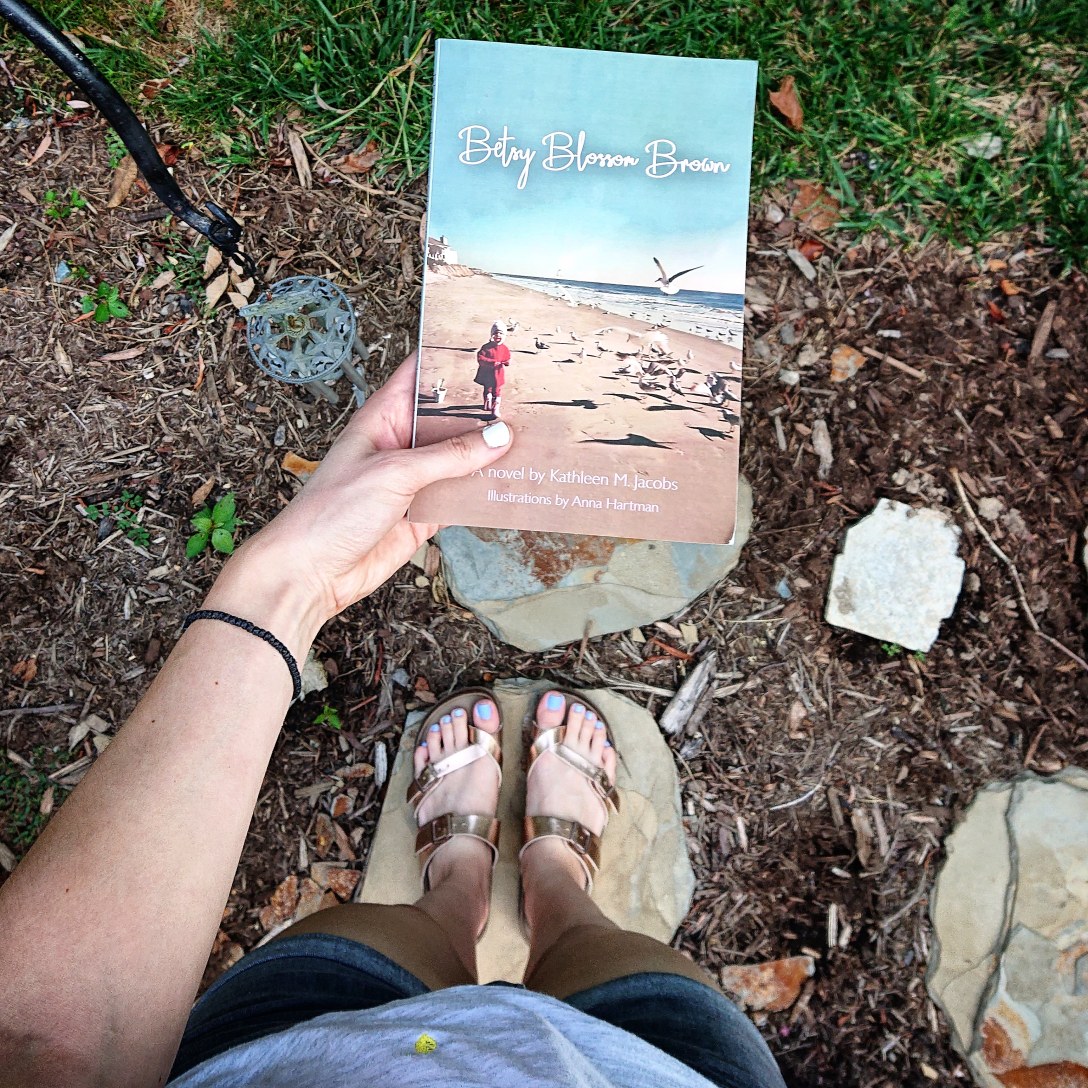
Review: Betsy Blossom Brown by Kathleen M. Jacobs

Alexis:

Thanks so much to Kathleen M. Jacobs for sending me her book! Jacobs has a gift for writing details, and vividly describing colors and clothes that create a vintage atmosphere and a Southern setting.

However, there are two big issues that kept me from being fully absorbed in the story: the POV randomly switches between first person and third person, and the name ā€œBetsy Blossom Brownā€ was thrown around a little too often.Ā 

To address the first issue, it happens so often in Betsy Blossom Brown that it made me confused. Even in the first couple of pages, one paragraph says, ā€œā€˜But I don’t understand,’ Betsy winced.ā€ And five paragraphs later begins with, ā€œI turned each side of my hair behind my earsā€¦ā€ At first, I thought this was a characterization of Besty, that maybe she sometimes referred to herself in third person. But then I remembered that this was a minor problem in Honeysuckle Holiday.

As for Betsy’s name, it is a great Southern name, and makes for a great book title. However, I think the amount of times the repetition of her full name was repeated throughout the story lessened the magic of her name.Ā 

That being said, I thought Jacobs did a great job of talking about and depicting Betsy’s Aspberger’s. Not many works of fiction deal with Aspberger’s, so I found this to be refreshing and enlightening. The story was character-driven, and I found Betsy’s character to be quirky and interesting.Ā 

The writing in Betsy Blossom Brown is full of beautiful imagery, including vivid colors and clothing, that set up a coming-of-age story in a beautiful and nostalgic Southern setting. Jacobs writes in a conversational style that works well for her characters. However, I preferred the storyline in Honeysuckle Holiday, which I also found to be more cohesive.Ā 

VERDICT: 3 stars

Currently Reading/Review: Airborn by Kenneth Oppel

Alexis:

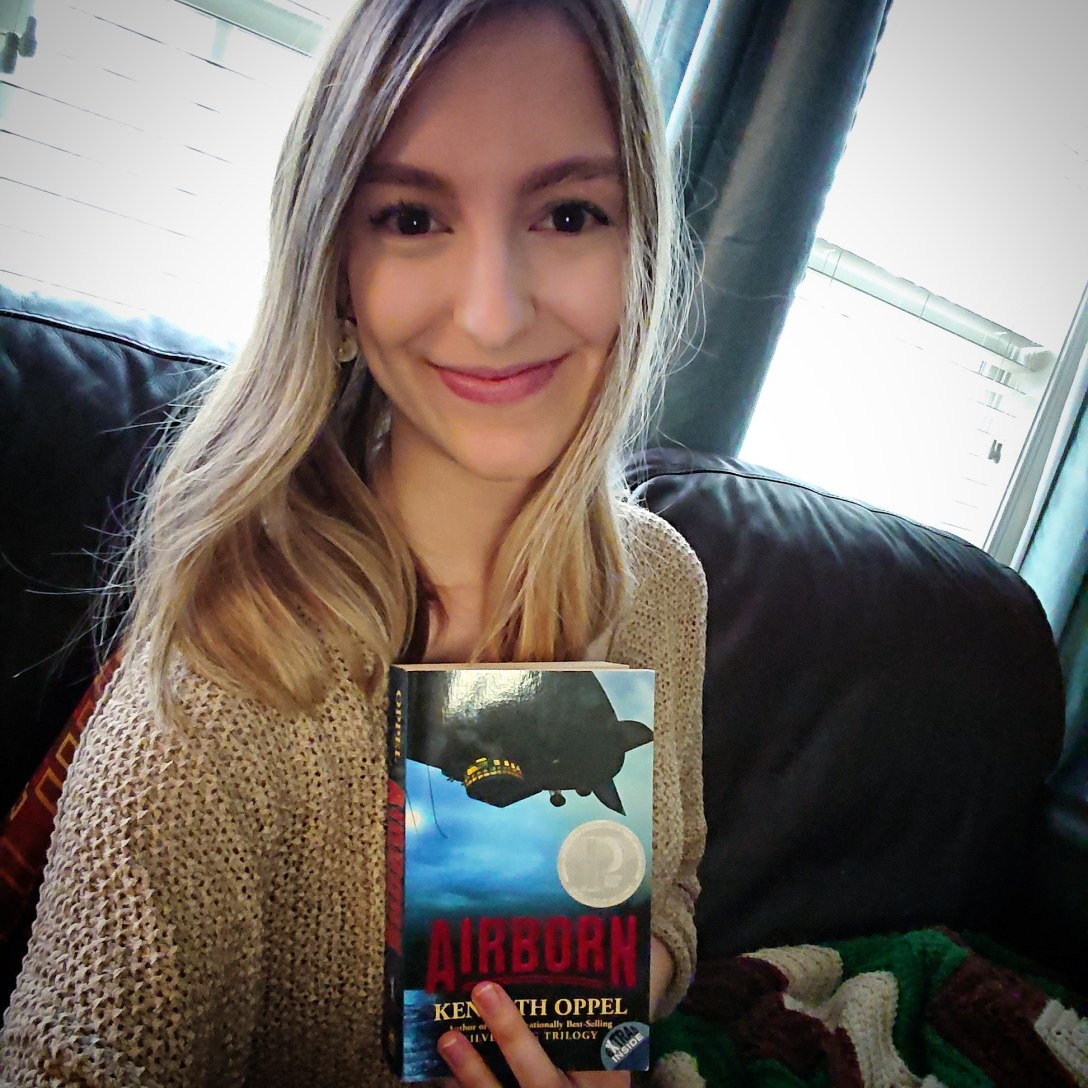
When I was a pre-teen or teen, the Matt Cruse trilogy was one of my favorite series. Airborn, the first in the series, is a YA adventure with a Titanic vibe and an undercurrent of zoology, set in an early 1900’s alternate reality where airships are the primary mode of transportation. I know, interesting, right?

As I re-read this, I remember how much I enjoyed the story and the characters. Lately, about 90% of the books I’ve been reading have been from a female POV, and this is a good change of pace. Airborn is from the POV of Matt, a 15-year-old cabin boy of the airship Aurora. The story follows Matt on his adventures with a girl he meets named Kate as they try to track down a mysterious winged creature mentioned in a journal of a dying ballooinst. I really enjoy both Matt’s character and POV, as well as Kate’s curious and spunky character.Ā 

This story is pure action-adventure, complete with pirates and a surivival storyline. I recommend reading the other two books in the series, as well. The series only becomes more interesting as the characters grow older and space travel gets involved!

VERDICT: 5/5

Review: King of Scars by Leigh Bardugo

Alexis: Read 3/24/19

I loved the first half of this book. I loved Nikolai’s internal (and sometimes external) battle within himself. I enjoyed learning more about Zoya: her past, her innermost feelings, her motivations. And at first, I rejoiced in Nina’s chapters, especially after her ending in Crooked Kingdom.

King of Scars is told in third person from various perspectives, including Nikolai, Zoya, Nina, and a man named Isaak. I’m glad Bardugo decided on third person, as I think it worked perfectly for the world in Six of Crows, and ultimately served a better purpose than the first person of the Shadow and Bone Trilogy.

I enjoyed the masterful worldbuilding and name dropping of characters from previous books. Bardugo has really cemented the Grishaverse. And I really enjoyed how the plot was building. However, the second half started to meander. Zoya ended up being the primary character, rather than Nikolai himself. The book’s title is literally Nikolai’s nickname, and yet he sometimes gets lost in the sea of other characters.

I honestly wanted to skip over Isaak’s chapters; I felt like his information could have been revealed later and it would have served the book better, even if the the reader wouldn’t get to know him as a character. But I really just didn’t care about him.

Nina’s chapters began to feel drawn out. As much as I enjoy her as a character, I found myself wanting to stay with Zoya and Nikolai’s storylines. I almost wanted Nina’s chapters to be separated from the rest of the story, maybe as its own short book.

My primary concern, besides Nikolai not being as center stage as I wanted him to be, was where the plot ended up. It was building up to such a great place, but then the ending ruined it for me. I’ll avoid spoilers here and go more into that below.

This book definitely felt like a follow-up to the Shadow of Bone trilogy, which I didn’t like nearly as much as the Six of Crows duology. I was hoping for more of aĀ Six of Crows feel, with the masterfully crafted plot and characters. I just wish the book had only switched in POV from Nikolai to Zoya and that the plot was…different. Even with my mixed feelings, I still love the characters and Bardugo’s world, and I flew through this book.

The first half of the book: 5 stars. Second half: 3 stars

VERDICT: 4 stars

 
SPOILERS BELOW:

I felt like most of the plot reveals in the second half of the book were a little too coincidental. Hanne just happens to be the daughter of Brum? The Saints just happen to be alive with the answers to a greater power for Zoya? And the biggest of all: the Darkling’s comeback. It felt like a cop-out to me. I wanted something as equally as dark to be the main antagonist, but I wanted something different. The Darkling’s story was supposed to be over. With all the tumultuous politics going on, I just felt like the ending could’ve gone in a different and better direction.


Review: Pachinko by Min Jin Lee

Alexis: Read 3/17/19

Well, this book is certainly a saga. It feels like three different books, because really, it is. Pachinko covers four generations of the same family, from the early 1900’s to the 80’s. The story opens with Sunja, a Korean peasant, who meets a wealthy businessman and forms a relationship with him. When Sunja becomes pregnant, she finds out that the businessman is already married. So instead, she accepts a generous offer of marriage from Isak, a sickly Protestant preacher.

The amount of detail Lee manages to pack into this book is astounding. She covers the historical and political aspects of each time period. The book especially focuses on what it means to be Korean during a time when the country is taken over by the Japanese and then later split into two. Her characters deal with the dysphoria that they feel as Koreans living in Japan, as well as discrimination. I really enjoyed learning about the history and culture of Korea, and I could really go for some Korean or Japanese food right about now!

While extremely detailed, Pachinko is written matter-of-factly, with no flowery descriptions. Lee writes from a distant, omniscient point of view. At the end of the book, Lee discusses her reasoning behind this. She says, ā€œā€˜Fair’ seems like a simple word, but I think because my subject matter is so troubling and controversial, I wanted my narrator to be as objective as possibleā€ (494). Lee certainly achieves this, as the book, especially the first half, almost reads like a historical account. At first, I found the tone off-putting. But once the book became more political, I understood the need for distance. Still, that doesn’t neglect the fact that I prefer to get more into characters’ heads and emotions. I love character-driven stories, and while this was that, I never felt too involved in the characters’ lives.

For example, Lee has a bad habit of simply stating ā€œand then he died.ā€ When she did this in the beginning of the book with Yoonie, Sunja’s father, I did a double-take. She nonchalantly stated his death and they hardly went into it in the next chapter, and she repeats this throughout the book. While I understand her distance, as a reader, this was very off-putting. I wanted to feel each death and life-changing event the way the characters did.

Overall, I really enjoyed this book, even if I had to enjoy it in chunks. I learned a lot about Korea’s history and the history of misplaced Koreans. I really don’t know how to rate it as a whole, as it covered so much ground.

History and detail: 5 stars

POV and writing style: 2 stars

Characters: 4 stars

Review: Children of Blood and Bone by Tomi Adeyemi

Alexis: Read 1/9/19

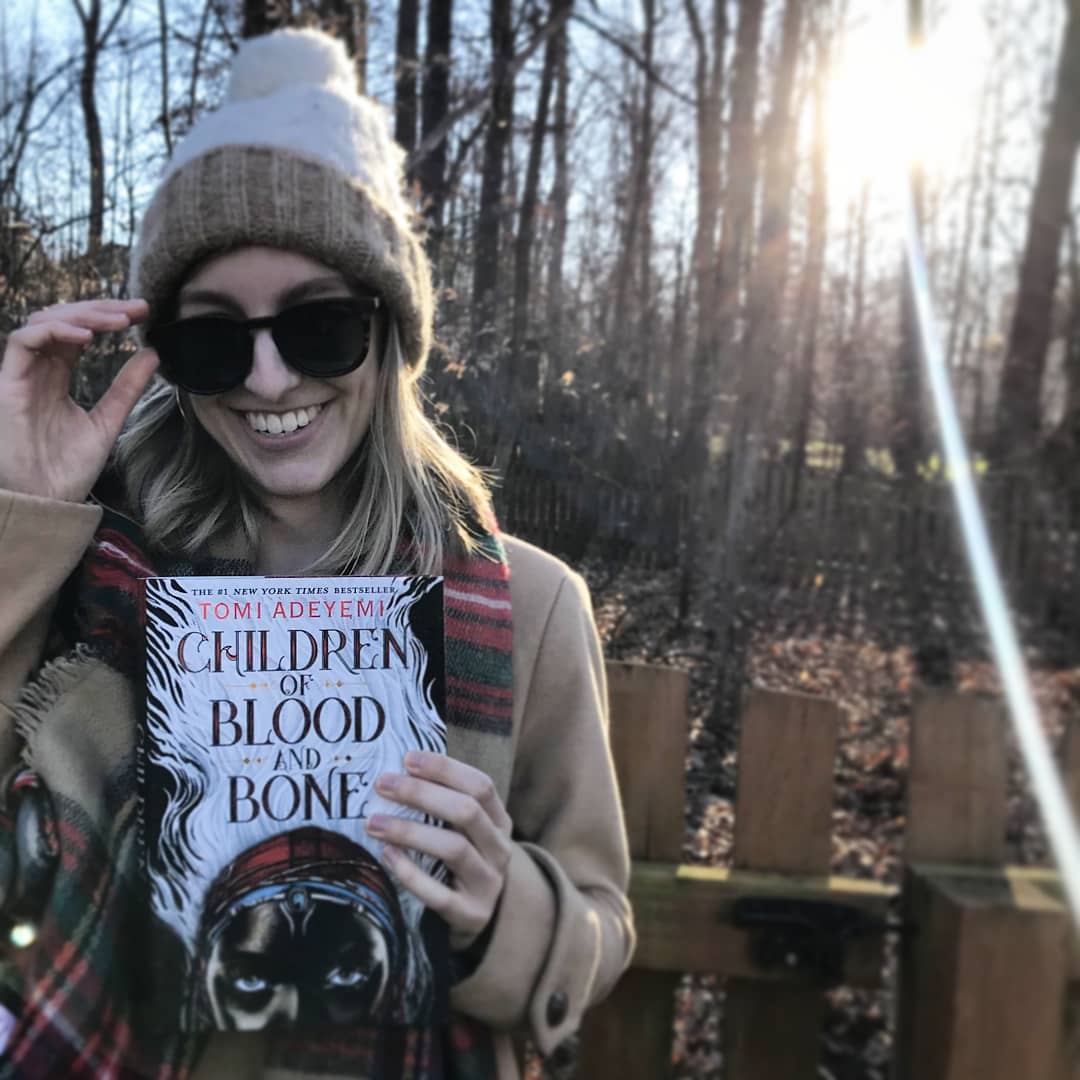
Children of Blood and Bone, despite being a thick book, is super fast-paced. The plot is always moving, which I appreciated as I read. Adeyemi does a good job of explaining how the magic system works, and I enjoyed learning about all the gods and the maji’s connections to them. Sometimes multiple perspectives can be hard to pull off, but I really enjoyed reading from all the different perspectives, and the shifts never pulled me out of the book.

As for the characters, I’ll be honest: I’m not a huge fan of ZĆ©lie. She sometimes felt like a Katniss Everdeen character. However, I connected more with her as the book went on. I enjoyed Inan’s character until about halfway through the book. As for Amari and Tzain, I always enjoyed reading from their points of view. At times, the plot was a bit predictable, but not enough that I didn’t continue to enjoy reading the story. There was a love-at-first-sight storyline, and though I normally hate this YA trope, I thought Adeyemi used it to her advantage.

About a quarter way through this book, I realized something: parts of this book mirror Avatar: The Last Airbender.

ZƩlie is very similar to Katara. When she is young, her mother is killed in a raid because she possessed magical powers. ZƩlie possesses these same powers and she grows up wanting revenge. She has an older, non-magical brother, Tzain, who just wants to protect her. ZƩlie meets an Aang-like character, Amari: a girl who was trained how to fight from an early age, but who needs to learn to get past her peaceful side.

Amari’s older brother, Inan, the prince, has a good heart but is misguided. He wants his father’s approval but he has to betray those he loves in order to achieve it, just like Zuko. The father is definitely a Fire Lord Ozai type of character.

There is a temple ā€œmade of airā€ which connects maji to their gods. This temple was mostly destroyed in a raid in which a genocide happened. Ā Ā 

Despite these similarities, Children of Blood and Bone is an original book. I I loved the diversity and the magic based on Nigerian mythology. I also admired Adeyemi’s creativity—the characters ride on giant, horned lions and leopards, called lionaires and snow leoponaires.

Overall, this book was wholly engrossing and I had a hard time putting it down. And for that reason I can’t rate it any less than 5 books. I’m excited for the sequel!

VERDICT: 5 books