Review: Deeplight by Frances Hardinge

Alexis:

Hi, everyone. I’m finally done with my first year of grad school, and you know what that means– I get to read for fun again!

Deeplight starts out as a slow burn. At first, it turned me off a little bit, but I know Frances Hardinge; she’s one of my favorite authors! She is a masterful worldbuilder, and she spends the first 100 pages exploring the world of Deeplight and letting you dig into the mind of her characters in order to set up a powerful punch later.

Synopsis: Deeplight follows Hark, a fifteen-year-old boy who’s a little lost in the world. He just feels like a sidekick to his longtime friend, Jelt, until he’s put on trial for a crime and sold as an indentured servant. If you couldn’t tell from the front cover, the story is set on an island, called Lady’s Crave, where thirty years ago, the sea gods “turned on one another and tore each other apart.” If the islanders are lucky, they can find relics of the dead gods called “godware,” which are powerful and valuable. Hark just so happens to find a heart, which saves the life of Jelt. But when it starts to change Jelt, and not in a good way, Hark searches for answers with the help of a girl named Selphin and an old priest named Quest. 

I think this is the first book I’ve read by Hardinge that has a boy narrator instead of a girl. I will admit: I kind of wish the story was told from the perspective of Selphin, a girl he meets on his journey. I connected with her character a little more than Hark. 

The plot picks up a ton during the second half of the book, and I found myself really appreciating how she set up the world in the first half. Hardinge’s plot always goes in a direction I’m not expecting, and her books (including this one!) are always the epitome of fantasy, always delving deep into her dark, imaginative world and filling them with masterful descriptions. And this is why she’s one of my favorite authors!

I love the morally grey characters, and how Hardinge focuses on a toxic friendship, a topic not often explored in fantasy. I think the character arcs were great. Hardinge also created a world where deaf culture is normal and accepted, and the characters often use sign language to talk to each other. Overall, this book is a well-drawn, imaginative sea story that travels in unexpected, vivid directions. 

VERDICT: ⭐⭐⭐⭐.5 


Review: House of Earth and Blood by Sarah J Maas

Alexis:

“Through love, all is possible.”

Maas has a way of writing worlds that suck you in and make you want to keep reading. While this world is pretty similar to the one in ACOTAR, I loved how the world in Crescent City blends modern technology with magic; we don’t get enough fantasy with modern technology, and it was really interesting and fun to see the characters use both cell phones and magic. It was also loosely based off of Ancient Rome, which was cool.

I really enjoyed all of the characters. I liked reading from both Bryce and Hunt’s perspective. They both have a great mix of admirable traits and flaws. And, as usual, Maas is great at writing characters who have suffered from trauma with care.

The first half of this book did a great job setting up the world, the characters’ backstories, and establishing the main plot, while the second half was more fast paced and action packed. While a lot of readers find Maas’ build up slow, I enjoy how she spends time establishing the world and letting us know the characters before diving deeper into the plot. And I thought the plot of this book was intricate. Honestly, even though this book is so heavy on the details and it took me a while the get all the worldbuilding details straight, it was just so much fun to read!

My cons are pretty small. First, let me just say that if you don’t like Maas’ writing style, just don’t pick up the book? A lot of people seem to be giving this book bad reviews without even reading it because they aren’t fans of Maas’ writing.

I will say, thankfully, this book has considerably less drawn out sex scenes; it still has a decent amount of people flipping each other people off, and a lot of f-bombs, which didn’t bother me. I’m still not a fan of her character name choices (Bryce and Hunt? And I never got over Tamlin’s name from ACOTAR) but honestly, that’s such a small bone to pick, and it boils down to personal preference.

Even though I loved reading the ACOTAR series, I thought this book was far better written. I still don’t think her writing is the absolute best, but what she IS good at is writing characters you will want to root for, and writing worlds that you will become obsessed with. And despite the fact that this book is over 800 pages long, I barely wanted to take any breaks from reading it.

Bottom line: this was so much to fun to read! And considering the fact that the plot centers around a murder mystery, apparently murder mysteries are my new definition of “fun.”

VERDICT: 📚📚📚📚📚


Review: The Testaments by Margaret Atwood

Anna: I’m sorry to say that I was so disappointed by this! In the vein of 𝘛𝘩𝘦 𝘊𝘶𝘳𝘴𝘦𝘥 𝘊𝘩𝘪𝘭𝘥, 𝘛𝘩𝘦 𝘛𝘦𝘴𝘵𝘢𝘮𝘦𝘯𝘵𝘴 read like a total money grab. I really enjoyed 𝘛𝘩𝘦 𝘏𝘢𝘯𝘥𝘮𝘢𝘪𝘥’𝘴 𝘛𝘢𝘭𝘦, and in no way did 𝘛𝘩𝘦 𝘛𝘦𝘴𝘵𝘢𝘮𝘦𝘯𝘵𝘴 feel like its sequel. For one, 𝘛𝘩𝘦 𝘛𝘦𝘴𝘵𝘢𝘮𝘦𝘯𝘵𝘴 lacks the tension and literary weight of 𝘛𝘩𝘦 𝘏𝘢𝘯𝘥𝘮𝘢𝘪𝘥’𝘴 𝘛𝘢𝘭𝘦 in every way. ⁣

𝘛𝘩𝘦 𝘏𝘢𝘯𝘥𝘮𝘢𝘪𝘥’𝘴 𝘛𝘢𝘭𝘦 is slow-paced and slowly reveals the horror of the dystopian world of Gilead. 𝘛𝘩𝘦 𝘛𝘦𝘴𝘵𝘢𝘮𝘦𝘯𝘵𝘴, on the other hand, is pace-y, dialogue heavy, and driven mostly by plot. It completely lacks the dark, creeping so prevalent in 𝘛𝘩𝘦 𝘏𝘢𝘯𝘥𝘮𝘢𝘪𝘥’𝘴 𝘛𝘢𝘭𝘦. ⁣

Set fifteen years after 𝘛𝘩𝘦 𝘏𝘢𝘯𝘥𝘮𝘢𝘪𝘥’𝘴 𝘛𝘢𝘭𝘦, 𝘛𝘩𝘦 𝘛𝘦𝘴𝘵𝘢𝘮𝘦𝘯𝘵𝘴 is told in three perspectives. There’s Agnes, who grows up in a prominent family in Gilead; Daisy; living in the free country of Canada; and, wait for it… the third is Aunt Lydia’s perspective. My biggest problem is Aunt Lydia’s storyline, which just wasn’t believable for me. I don’t want to give away any spoilers, but I just didn’t buy any of it. The other two perspectives were interesting enough. That is, until they started to overlap, which is where I really think this book fell apart. ⁣

Unfortunately, I came away from this feeling that Atwood was forced into this book in response to the show. I’m so sad–I really wanted to love this!⁣

VERDICT: 3 stars

In the age of JK Rowling, who has exploited her wold and characters for everything that she can (disclaimer, I still love the original Harry Potter books), I feel that having a bestselling book or series isn’t enough any more.  The new Hunger Games book coming out this year, The Ballad of Songbirds and Snakes, is a prime example. It’s a prequel to the series that reveals the backstory of President Snow. I’m so over prequels and have no desire to read this. I think that sometimes there’s value in letting a good book or series stand on it’s own. I know things like book deals and an author’s career are part of this, but I think I’ll be avoiding any long-awaited add ons to old favorites for a while.


Our Favorite Books of 2019

Happy New Year’s Eve! And what a year it’s been! Anna’s highlights were starting work full time, getting married, and adopting her dog! Alexis started her MFA program, got a short story accepted for publication, and adopted her cat! 

Here are some of our favorite books of 2019:

Anna:

The Glass Castle by Jeanette Walls

Small Fry by Lisa Brennan-Jobs

Normal People by Sally Rooney

We Are Okay by Nina LaCour

Long Live the Tribe of Fatherless Girls by T Kira Madden

The Witch Elm by Tana French

In the Woods by Tana French

Borne by Jeff VanderMeer

City of Ghosts by Victoria Schwab 

Burial Rites by Hannah Kent

The Goldfinch by Donna Tart


Alexis:

Children of Blood and Bone by Tomi Adeyemi 

The Wildlands by Abby Geni 

Airborn by Kenneth Oppel

The Book of Dreams by Nina George

A Court of Mist and Fury by Sarah J. Maas

The Scent Keeper by Erica Bauermeister 

Grim Lovelies by Meghan Shepherd

Etta and Otto and Russell and James by Emma Hooper

Gods of Jade & Shadow by Silvia Moreno-Garcia 

The Island of Sea Women by Lisa See

City of Ghosts by Victoria Schwab

Florida by Lauren Groff

The World That We Knew by Alice Hoffman


Here’s to a great 2020!


Review: The World That We Knew by Alice Hoffman

Alexis:

Despite the fact that the characters were a little too distant and one dimensional for my taste, this was still a five star read for me. Hoffman’s writing is haunting, beautiful, and lyrical. I love magical realism, and this book is a wonderful mix of magical realism, historical fiction, and folklore.

The book focuses on Lea at the beginning of WWII during the Nazi regime. Lea’s mother’s one goal is to keep her daughter safe, so she does the unthinkable: finds Ettie, the daughter of a rabbi, to create a golem, a powerful magical creature/person made from clay, who is to protect Lea at all costs.

This is a Holocaust story, and Hoffman doesn’t shy away from the horrors that the Jewish people of Europe faced. But I love the way Hoffman weaves small beauties into the story, especially with the relationship of Ava (the golem) with the heron. The heron was a beautiful symbol throughout the book. Out of all of the characters, I actually felt like I connected with Ava the most.

This is a survival story, so while I prefer to get into the heart and soul of the characters, the distant POV felt right with the atrocities the characters face in the story. Hoffman focuses on what it means to be human, and what it means to survive.

VERDICT: 5 stars

Review: Florida by Lauren Groff

Alexis:

I feel like this is the first book I’ve read for fun (even though my professor recommended that I read it) in a while! I just finished Florida by Lauren Groff, which I meant to read all of this past summer because it generated so much hype.

I haven’t read a good short story collection in a while, even though I always find them very helpful in writing my own short stories. But Florida was a great read; I love the way Groff writes about the Florida landscape. Each short story is very grounded in place, especially in the first couple of stories. The way she writes about Florida is nostalgic yet haunting. She really focuses on the amount of snakes and alligators crawling around the swampy landscape.

My favorite stories were “At the Round Earth’s Imagined Corners,” “Eyewall,” and “Above and Below.” The first is a coming of age story, full of snakes and snake imagery; the second is a ghost/hurricane story; and the last is about a wannabe professor who finds herself recently homeless.

Most of Groff’s stories lack quotation marks, which adds to the haunting feel of her writing. She definitely has a way with language, and all of her lines feel poignant. Overall, I definitely recommend it!

VERDICT: 5 stars

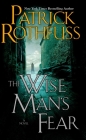
Review: The Wise Man’s Fear by Patrick Rothfuss

I have a love/hate relationship with this book, and series.

The first 400 pages of The Wise Man’s Fear is long-winded and unnecessary. On the other hand, the second half is plot driven, exciting, and plays a huge part in Kvothe’s growth as a character. But it takes a certain amount of determination to get there!

What bothers me most about this series are Rothfus’s misogynistic, sexualized, and unrealistic portrayals of women. All the female characters are frustratingly one-dimensional, and even the women who are strong in different ways end up being sex symbols.

However, I loved the character development and world building in book 2. The many different places and cultures in this book blew me out of the water. Kvothe grows and matures significantly as a character. He experiences different cultures, meet new people, and proves himself as a multifaceted and complicated character who is more than just full of himself.

Despite my differences with this book, I’m honestly so excited for book 3, if it is ever published!

Support Independent Bookstores - Visit IndieBound.org

VERDICT: 4 stars

Review: Bel Canto by Ann Patchett

Alexis: Happy National Read A Book Day!

Yesterday, I finished reading Bel Canto by Ann Patchett. This was my first Ann Patchett read, and I’ve been meaning to read her books for a long time. 

Bel Canto was not my usual read. Here’s a quick summary: In an unidentified South American country, famous opera singer Roxane Coss is invited to sing at Mr. Hokosowa, a businessman’s, birthday party. During the party, a group of terrorists burst into the house and keep the entire party hostage. What ensues is an unusual hostage situation that goes on for months and months. 

This book is basically a giant character study. As a reader, you are launched into the minds of a multitude of characters. You learn about their families, their fears, and their interests in life. You learn about their inner lives.

The book itself is very slow moving. Plot wise, not much happens. About halfway through, the hostage dynamic changes, which leads to some interesting developments. 

To be honest, I was a little bored with the first half. Patchett spend pages and pages on characters that I wasn’t interested in learning about. But most of the book is about Gen, Mr. Hokosowa’s translator. He was by far my favorite character. It was really interesting to see life from his language-based perspective.  

My biggest issue with this book is the ending. After spending so much time learning about the characters, the book ends abruptly. I know Patchett probably did this on purpose, but still. As the reader, it was jarring. Despite the fact that I guessed the ending, it still felt melodramatic when it happened. With some much time dedicated to talking about opera, this book did tend to lean on the melodrama. 

And then there’s the epilogue. I could deal with the ending, but the epilogue was wholly unneeded, and it honestly made no sense. Unfortunately, the epilogue is the thing I was left with, so I still have its bitter aftertaste in my mouth.

Overall, I enjoyed some sections of this book, and found other sections very slow moving. It wasn’t my favorite, but I enjoyed the overarching message. 

VERDICT: 3 stars

Review: Gather the Daughters by Jennie Melamed

Alexis:

Here are some words to describe Gather the Daughters: disturbing, haunting, cultish. The book focuses on very dark, heavy themes, including pedophilia, child marriage, and incest. 

In Gather the Daughters, a group of people live on an island, where very summer, the children run free. But when the girls start their periods, they are considered to be women, and must marry and have children as fast as possible. The rest of the world is post-apocalyptic, and is simply called “the wastelands.” Fathers are encouraged to groom their daughters from a young age, but are supposed to stop once the girls hit puberty. 

The book tells the story of multiple girls. Their lives are very similar and overlap. Caitlin is eager for knowledge and is allowed to read books from the wastelands; Janey, at seventeen, has been starving herself for years in order to prevent her period from coming.

This was a haunting and brutal book to read. While Melamed’s descriptions and writing are good, the book was slow-paced. I also wish the ending was more radical and made more of an impact.

Overall, I can’t really say I enjoyed reading this book, and I did skim through some of the middle. But it definitely made me think.

VERDICT: 3 stars 

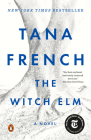
5 star review: The Witch Elm by Tana French

Anna: New favorite book (and author?) alert! VERDICT: 5 stars

Support Independent Bookstores - Visit IndieBound.org

Toby is the kind of guy who has always had it easy. He’s always been fairly popular, successful at his job, and has never had to worry about money. Until one night, when he’s beaten so badly in his apartment that he nearly dies. Afterwards, he experiences amnesia and some brain trauma. Following his accident, Toby learns that his Uncle Hugo is dying of brain cancer. Toby and his cousins return to Uncle Hugo’s Ivy House, where they spent their summers growing up. When they find a dead body in the Witch Elm on the property, everyone in the family is a suspect–and Toby, it seems might be suspect number one.

I couldn’t put this down. The Witch Elm is the kind of book that rewards you the more you read, as the events in the beginning seem unrelated at first and slowly become more and more a part of the larger plot. What I really love about this book is that French’s characterization is fantastic. Toby is an often unlikable and undeniably realistic character who I’m pretty sure I would hate in real life. After Toby’s accident, he’s forced to examine how he’s treated others over the course of his life. 

There’s also the murder aspect of the book, which twists and turns the more you read. Because of Toby’s amnesia and other evidence, Toby is immediately one of the top suspects in the murder, and he graps at nothing as he tries to remember what he might have done. On top of it being a who-done-it-book, at its core The Witch Elm is a complicated family drama about the secrets families keep together and the ones they keep from each other. 

I’ve already put In the Woods, at hold at the library, the first book in Tana French’s Dublin Murder Squad series. I can’t wait to read her backlist!