2020 was a year for the books (ha). This year, I read a total of 84 books. I’ve heard many other readers say that living through a pandemic has helped one thing-their reading life. I read the same amount of books annually that I normally do, but being forced to stay home for the majority of the year helped me focus on reading a little more slowly and perhaps a little more intentionally.
A year in reading: Like usual, the majority of the books that I read were literary fiction by women authors. Like in 2019, I read a mixture of audiobooks and physical books. I’ve significantly trimmed down my physical TBR, and I’ve gotten in the habit of selling or donating all books I rate under 4 stars. I didn’t read nearly as much fantasy as I normally do, and I liked even less of what I read in the genre. I re-read some old favorites, like Princess Academy (still amazing) and the Harry Potter books (I re-read the entire series before J.K. Rowling and her Trans-bashing). I was lucky enough to land on Algonquin’s mailing list, and I reviewed their most popular book of the year, His Only Wife. I also rediscovered a love for middle grade fiction. I continued fostering my love for contemporary Irish literary fiction in Exciting Times, Marlena, and Tana French’s newest, The Searchers. Perhaps most surprisingly, a thriller even made it onto my favorites list for the year, something I never thought possible!
Writers & Lovers by Lily King
A classic tale of a struggling writer trying to make it big. Complete with a love triangle, commentary on the love/hate relationship with an artist and their craft, and the overall theme of reaching for your dreams no matter what, I loved everything about this book. And it has a happy ending! Great for writers and dreamers.
2. Long Bright River by Liz Moore
I’m not a huge reader of thrillers, but this book broke my heart. Fast-paced yet character-driven, this is a book about duty and sisterly love. Tigger warnings for sexual violence and drug abuse.
3. Rules of Civility by Amor Towles
A modern Great Gatsby. If you’re looking a richly written and seductive book about the extravagance and of the New York upper class, told by an outsider, this is the book for you.
4. Small Spaces by Katherine Arden
My favorite middle grade book of the year. This spooky first in a series is all about friendship, grief, and finding your way. It’s a lot scarier than I expected, too! Its sequel, Dead Voices, is just as good, and I can’t wait for book three to come out later this year!
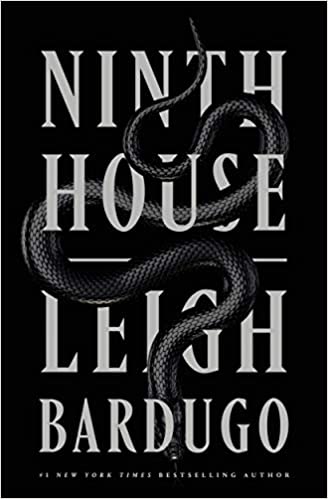
5. Ninth House by Leigh Bardugo
Ninth House is one of the few fantasy novels I read this year. Watch out fans of Bardugo’s Six of Crows duology: this is not YA! Besides the unique and bloody magic system, the coolest thing about this world is that it reimagines Yale’s secret societies as deadly magic groups who are up to no good.
6. The Miseducation of Cameron Post by Emily M. Danforth
I’m years late to this party. The Miseducation of Cameron Post is just as good as everyone promised. This is the ultimate coming out book that paved the way for LGBTQ+ YA fiction as we know it now (stories about queer teens, not stories centered purely around coming out).
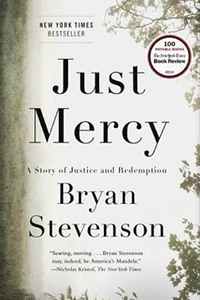
7. Just Mercy by Bryan Stevenson
Another book that I should have read years ago. Just Mercy brings to light mainstream systems of abuse and oppression in the American prison system, specifically in regards to the amount of African Americans wrongly convicted of the death penalty in the South. If you haven’t read this yet, you need to.
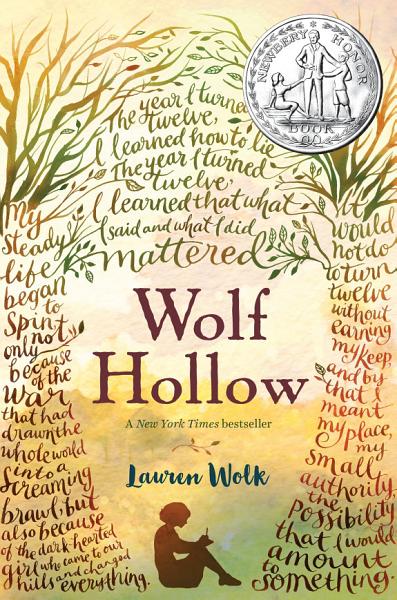
8. Wolf Hollow by Lauren Wolf
This is a wonderful coming-of-age novel about a young girl who stands up to the town bully, starting a chain reaction of sinister events in her small, rural town. Trigger warnings for death and physical abuse. This was dark!
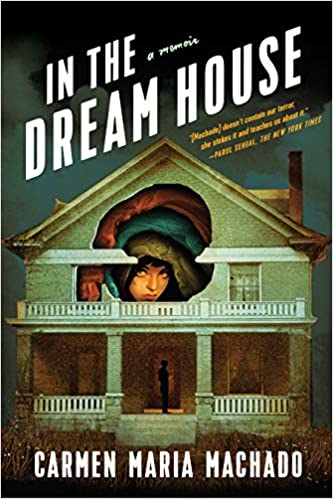
9. In the Dream House by Carmen Maria Marchad
My favorite memoir of the year. Machado chronicles her abusive relationship with her girlfriend. In the Dream House is told through lyrical and imaginative fragments, and Machado also includes commentary on the lack of research available on abuse in same sex relationships.
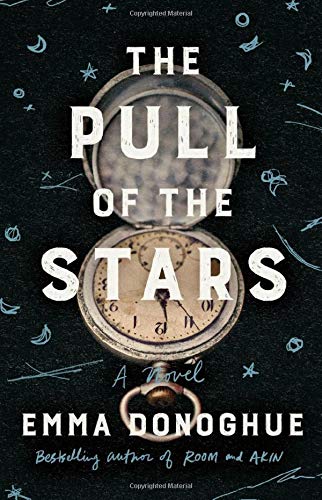
10. The Pull of the Stars by Emma Donaghue
I love Emma Donoghue’s writing, and this new 2020 release didn’t disappoint. A deadly flu breaks out in Ireland during World War 2. I love dystopian literature, and a global pandemic didn’t stop me from reading The Pull of The Stars. The book follows a few devastating days in the life of a labor and delivery nurse who battles to save the lives of sick mothers and their babies. Don’t read this is you’re squeamish about birth!
My 2021 reading goals are to:
Read more books from diverse perspectives. As I mentioned, I read a lot of women authors. Some of my favorite reads from this year featured LGBTQ+ authors. This coming year, I’d love to read books by more people of color as well as more translated works.
Read more nonfiction besides memoir. Will I ever read as much nonfiction as I read fiction? Probably not. But I want to make an effort to reach nonfiction that expands my worldview and knowledge in valuable ways as Just Mercy did this year for me.
Read more classics that I actually enjoy. For me, this means Victorian novels. I’m still making my way through the only one I started this year, The Woman in White by Wilkie Collins. There are books in this category that, embarrassingly, I’ve never read, including Wuthering Heights or any Dickens.
Here’s to a year of healing, another great year of reading!
Welcome to my last review of the year! As awful as this year has been, I managed to have a great reading year, and read a total of 51 books.
Nina Lacour’s writing is lovely. It flows well and holds so much emotion.
Watch Over Me follows Mila, a young woman who aged out of the foster care system and finds herself taking a teaching job on a remote farm.
Lacour handles the themes of this book—loneliness, past trauma, wanting to belong—with care. The flashback scenes were well done, and I enjoyed the gothic-like setting and the blurring of genres/reality with the inclusion of ghosts.
However, I never found myself fully invested in the characters. I felt bad for them, and all the trauma they’ve been through, but I felt like the secondary characters weren’t fully fleshed out, and despite knowing about Mila’s past, I never fully understood her character, either.
That being said, if you’re looking for a slow-burn, lyrical, and atmospheric book that focuses on grief, trauma, and loneliness (with a dash of magical realism) then give this a shot!
Happy day after Christmas, everyone! If you celebrate, I hope you had a wonderful day despite this very strange year.
Now, I’m always down for a story with a spooky forest.
Winterwood follows Nora, a seventeen-year-old girl who comes from a long line of Walkers: women with witch-like powers who live next to the creepy Wicker Woods. Nora finds a lost boy named Oliver alive in the woods despite a massive snowstorm, and works to unravel the mystery of how he survived.
Things I liked:
I love Ernshaw’s writing. It’s lyrical and enchanting, reminding me of a dark fairy tale. It perfectly fits the lovely, cold, and haunted aesthetic of this book.
I loved the setting. Nora’s house sounds homey and witchy, and I enjoyed the descriptions of it, alongside the forest, from Nora’s perspective.
Things I didn’t like as much:
Besides Nora, I never felt like I got far enough below surface level with the other characters, and sometimes I couldn’t pin down motivations. Usually, I love dual perspectives, but I felt like Oliver’s perspective didn’t reveal enough about him for me, and his amnesia didn’t help.
I loved the magic, but I wanted it to be talked about/explained even more. I never really understood how it worked, even with the many pages dedicated to the Walker ancestors.
While I loved Ernshaw’s writing, it was too repetitive sometimes. Even though it fits the nature of this story (by the end), and I usually love repetition, I think it was utilized just a little too much.
Lastly, I guessed one of the main plot reveals very, very early on, and it’s already a slow-moving story. On top of that, the book’s conclusion felt a bit like a cop-out.
Despite that, I really enjoyed reading this book, and I sped through it. I love Earnshaw’s writing, and I look forward to reading her future books, where hopefully the plot and characters will be a little more refined.
Jade City was unlike any book I’ve ever read; however, it wasn’t really for me. I honestly considered DNFing it 50 pages in, but I’m glad I stuck with it!
Jade City is described as a high fantasy, and that’s not entirely true. Sure, the world is a fantasy world, based on Japan, but the use of jade, which grants the Kekonese people superhero-like powers, is really the only fantasy element. The rest of the book has a gritty, almost noir feel. The best way to describe this book is The Godfather mixed with martial arts movies.
The writing style is cool, almost business-like, but it flows well. The worldbuilding is intense, and this book as a whole is very dense, so much so that it sometimes felt like a chore to read it. That being said, I did really enjoy certain parts of this book, and Lee is clearly a master worldbuilder.
My main critique is that I never became super invested in the characters. I enjoyed reading Shae and Anden’s perspectives the most, yet they never really shone on the page. The third person POV was too distant, and it didn’t help that each chapter was from the perspective of a new character, and there were a myriad of characters in this book.
If you’re specifically looking for a book that’s majority fueding mobsters, with a small dash of fantasy and political intrigue, then go for it. But unfortunately, it wasn’t my kind of read.
Cemetery Boys follows Yadriel, a trans teenager trying to gain acceptance from his family. His family are brujos, a group of magical Latinos who can summon ghosts and help them pass on to the afterlife. When Yadriel’s cousin, Miguel, dies, Yadriel tries to prove he’s a real brujo by summoning his ghost, but he accidentally summons Julian, a fellow schoolmate, instead.
I really enjoyed reading this book. The characters and dialogue are Thomas’ greatest writing strength. I loved getting to know Yadriel and his family, and the energetic characters of Maritza (Yadriel’s cousin) and Julian were so much fun to read. It’s hard to find stories with fully fleshed out characters, but I loved Cemetery Boys’ main characters.
The overall story gives me Coco and Gods of Jade and Shadow vibes. I enjoyed reading about the history, magic, and culture of the brujos, as well as the Día de Muertos. The themes of family, acceptance, and love shine on the page.
That being said, the pacing was a little slow, and the climax felt rushed in comparison; most of the plot was thrown into the last couple of chapters, and the action scenes aren’t quite punchy enough. Since I prefer character-driven stories, this didn’t affect my overall rating. However, it’s something to keep in mind if you prefer plot-driven stories over slow-burn and character-driven stories.
It’s also worth noting that while Maritza plays an important role in the book, the women are literally told in the beginning to stay home and cook. Yadriel makes it clear that he does not approve of this; however, the healing and cooking role of the women characters does not change throughout the book. So while the story focuses on breaking gender roles/stereotypes, I found it a little odd that Yadriel breaks stereotypes, but Maritza and the other women are still forced to be stuck in their traditional roles.
But bottom line, this was a fun, lively, and heartwarming read. If you’re looking for snarky characters, trans and LGBTQ representation, with a heavy dash of magic and ghosts, then I recommend picking this up!
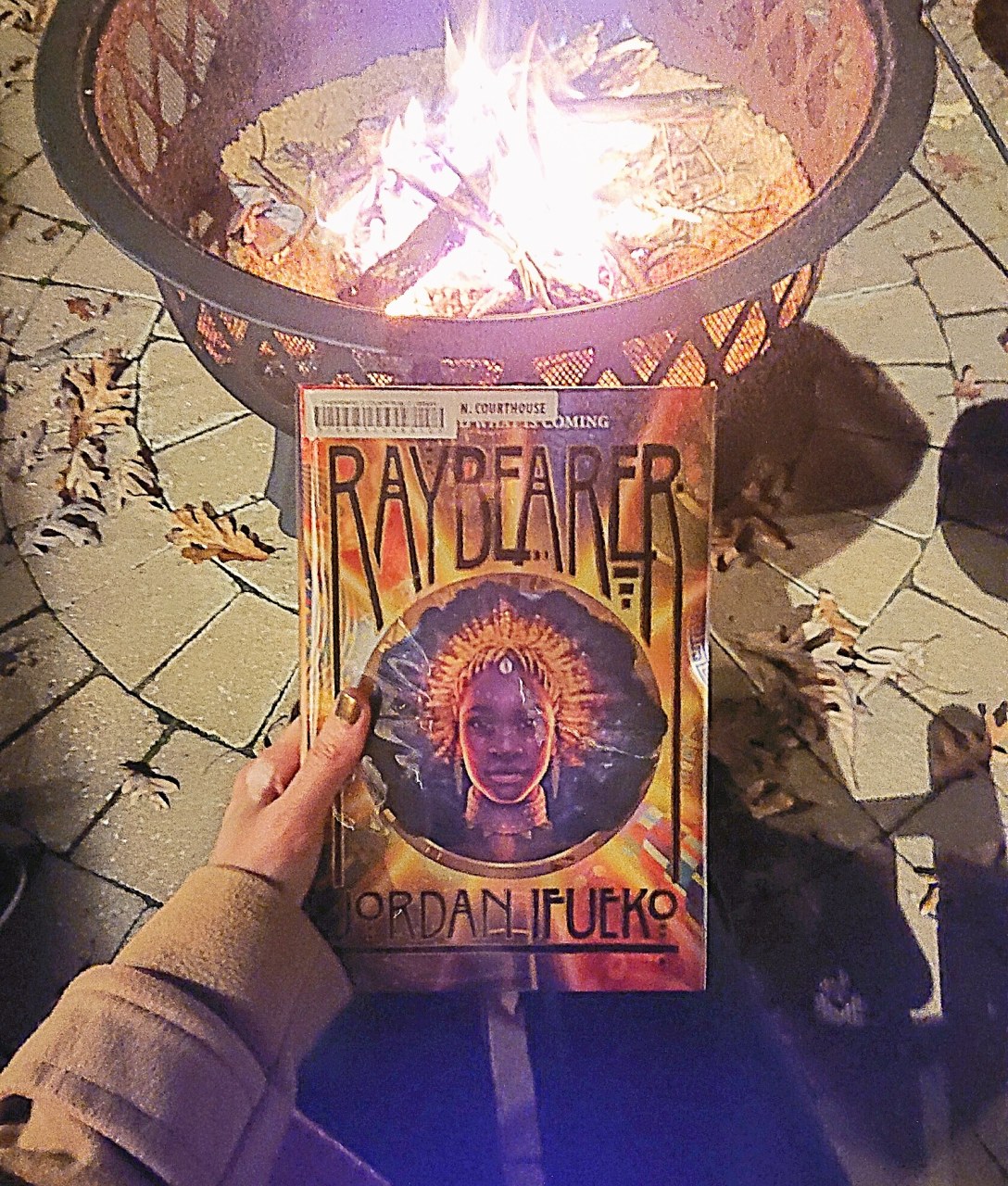
Raybearer is an impressive novel. The worldbuilding, based off of West African folklore, is intricate, and I often had to re-read sections about the world’s history because it was so detailed. But Ifueko went above and beyond when it came to shaping her world, and even if I couldn’t always keep up, it made the world very real.
There’s political intrigue, romance, magical creatures (including fairies), a found-family, and family drama.
The writing was great, I loved the main characters (and I’m looking forward to getting to know them better in the sequel, since this first book was a little more plot/world-driven than character-driven) and I enjoyed being swept into this magical world.
I only have two small critiques, one being that I didn’t get to know some of the characters well enough, and the pacing was a little slow in the beginning. However, this book reads like an epic, and the beginning starts out when Tarisai is a child, so I guess that is to be expected, and once it picked up its pace, I didn’t care!
Even though I’m not usually as much of a fan of high fantasy as compared to contemporary fantasy, I was pleasantly surprised with the dense, intricate world Ifueko crafted, and the plot unfolded in ways I never would have predicted. I love books that surprise me, and this book surprised me in all the right ways.
I found this to be a unique and engaging read, and if you’re looking for your next well-drawn, diverse YA fantasy, then I recommend it!
Synopsis: Ghost Wood Song follows Shady Grove, a teenage girl living in rural Florida. Like her father before her, Shady can call ghosts from the grave by playing her father’s fiddle. When her brother is accused of murder, Shady decides to play the fiddle to figure out what really happened, straight from the mouth of the dead.
I really enjoyed the overall Southern gothic vibes of this book. It’s creepy and haunted, dealing with ghosts, an evil figure that rises from the dark, a haunted house, and plenty of death. But in between the dark sections, Waters writes about a teenage girl trying to figure out her feelings for one of her best friends, Sarah, and a boy named Cedar. While I’m not one for love triangles, I found that this one didn’t bother me too much.
I also enjoyed how Waters wrote about music. All of Shady’s friends play music, too, and I liked hearing about their playing styles; I felt like I learned a lot about bluegrass music. Waters’ love for music shone on the page and through Shady’s character.
My one main critique is that I feel like I didn’t get to know some of the secondary characters as much as I wanted to. We’re told that Orlando is Shady’s best friend, but I feel like he rarely shows up in any scenes. Near the beginning, we’re told what Shady is like from Sarah’s mouth, before I felt like I really knew Shady as a character. Throughout the book, a lot of the characters are kept at a surface level, which is a shame, because I enjoyed all of the characters and wanted to get to know them better.
Despite this, I like Water’s writing style. I enjoyed her imagery and descriptions, and the way she writes about the setting really allows it to come alive on the page.
If you’re looking for a murder mystery with themes of family, grief, love, and music, with LGBTQ representation, then pick this up!
Long time no see, everyone. I’ve been busy with school, but thank god Thanksgiving break is almost here! Because of Covid, my schedule has been wacky, and I haven’t had a break yet this semester.
It’s been a while since I read a book for fun, but I finally got a book that sloughed me out of my reading slump: The House in the Cerulean Sea by T.J. Klune. And to no one’s surprise, since this book did drag me out of a reading slump, after all, it was a five star read!
The book is reminiscent of both Harry Potter and X-Men. Klune’s writing style is whimsical and unique. The basic plot consists of Linus, a man who works as a case worker for the Department in Charge Of Magical Youth. Linus gets an unexpected, classified assignment to investigate Marsyas Island Orphanage, an orphanage consisting of a hodgepodge of magical children.
I found Klune’s descriptions to be wonderful and precise.
This is a lighthearted book but with a deep message. I ended up loving the main character, Linus, who reminded me of Aziraphale from Good Omens.
I didn’t know much about this book going in, but I found it to be a refreshing read, and I was pleasantly surprised by the queer representation!
My only small critique is that the plot lagged a bit in the middle, and I didn’t get to see as much of Arthur’s character as I wanted, but the rest of the book was so fun to read that I found that I didn’t care!
If, like me, you need a whimsical, character-driven book with a happy ending during these times, then I highly recommend picking this up.
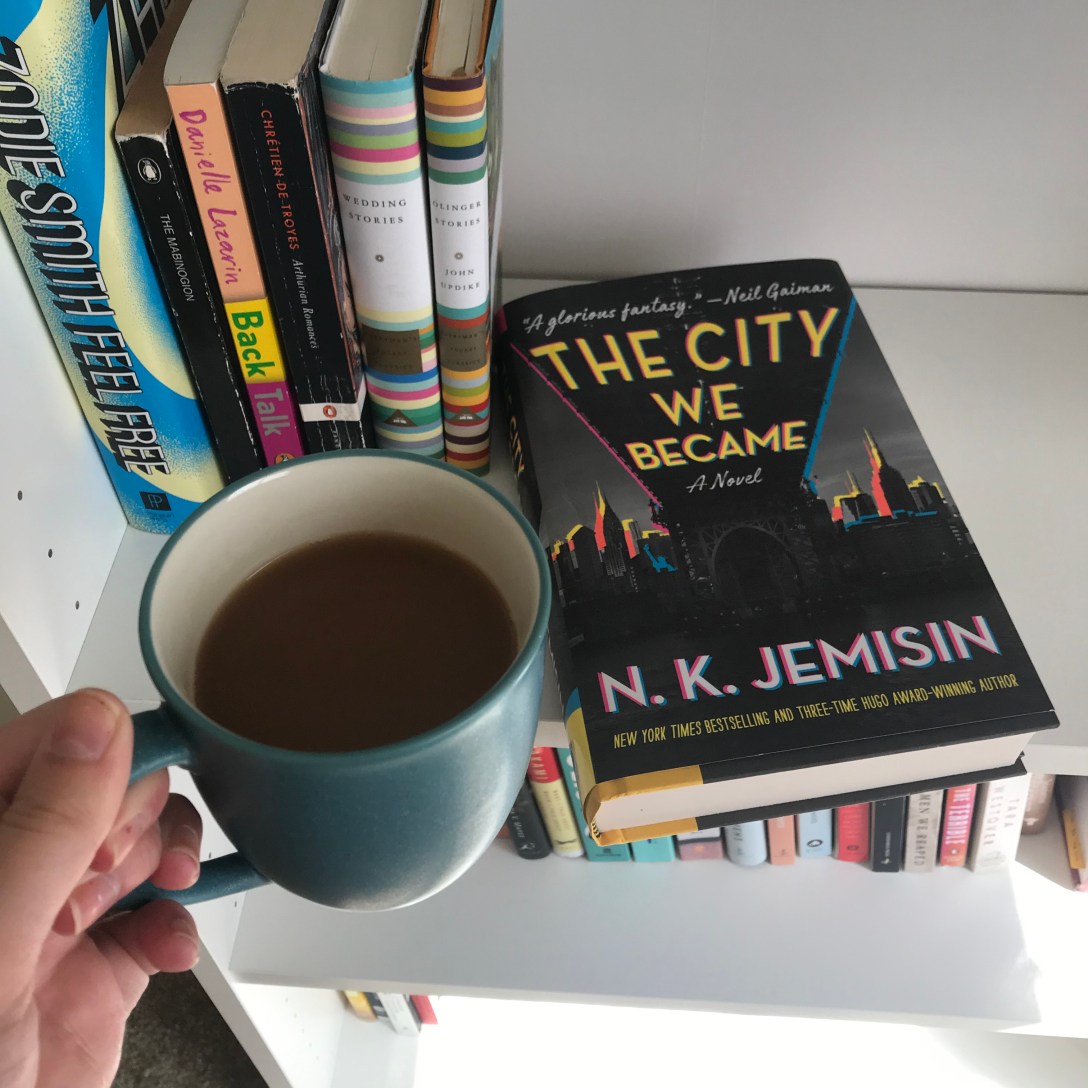
Anna: I so badly wanted to love this! I love New York City and I lived there for a year, so I want to make a disclaimer that this wasn’t an issue of me not understanding NYC. I also think N.K. Jemisin is a talented author and I enjoyed The Fifth Season.
What I liked:
Great themes of equality, identity and belonging; fighting hate: racism, sexism, homophobia; and what it means to belong somewhere
Wonderfully diverse group of characters of varied races, sexualities, and identities
The setting and the complex characterization of New York City
What I didn’t like:
Too on the nose
Confusing world building
Lots of telling and not showing (We are told exactly what something is and what it means throughout)
This is a unique and creative fantasy novel, but not without some thoroughly confusing world building. While I enjoyed the setting and the diverse cast of characters, I couldn’t shake the feeling of being hit over the head with thinly-veiled symbolism throughout. With little room for interpretation and imagination, I’m not sure if I’ll pick up the next book in this series.
I’m glad I read The Last Wish, but since it was originally published in 1993, it definitely has that old high fantasy feel to it.
This is the original series that delves into the world of the Witcher called Geralt of Rivia—before the popular video games, and before the TV show adaptation.
I’m not sure if it was just the translation or not, but this book is very heavy on the “tell” without a lot of “show.” Whenever there was imagery, I really enjoyed it, but this book is honestly 90% dialogue. I normally love dialogue, but it was a little too much, to the point that sometimes actions would only happen in dialogue.
I also found it interesting that Geralt is much more vocal in the book than in the show.
However, I was pleasantly surprised that the book is non-linear, just like the show. Suddenly, the show’s structure, which seemed all over the place at first, makes more sense.
This first book only delves into Geralt’s storyline, with one main scene with the sorceress Yennefer, and several of the adventures with the troubadour Dandelion, who is named Jaskier in the show. The main difference in the worlds is, like I said earlier, that the book feels very “old” high fantasy. What I mean by that it’s a medieval world, with elves, and dwarves and monsters, and pubs with beer, but also sexism.
The first section of the book opens with a sex scene. Several of the characters (though most are monsters, but still) talk very casually about being rapists, and unnecessary comments about women were made several times throughout the book.
I think the show feels more contemporary (and it should, since it was created decades after the book was written). Many of the characters in the book hold unsavory views of women, especially Dandelion, who comes off as a rowdy, rather than the foolish but lovable Jaskier. While the TV show still has sexist characters, both Geralt and Jaskier are respectable characters.
Overall, I’m glad I was able to see where this popular fandom originated. But I’m probably going to stick to only watching the show, which is rare for me when it comes to books!








 takes two to book review