
Alexis: September wrap up time!
Once again, I had a great reading month. And I actually managed to read 3 5-star books!
⭐⭐⭐⭐⭐
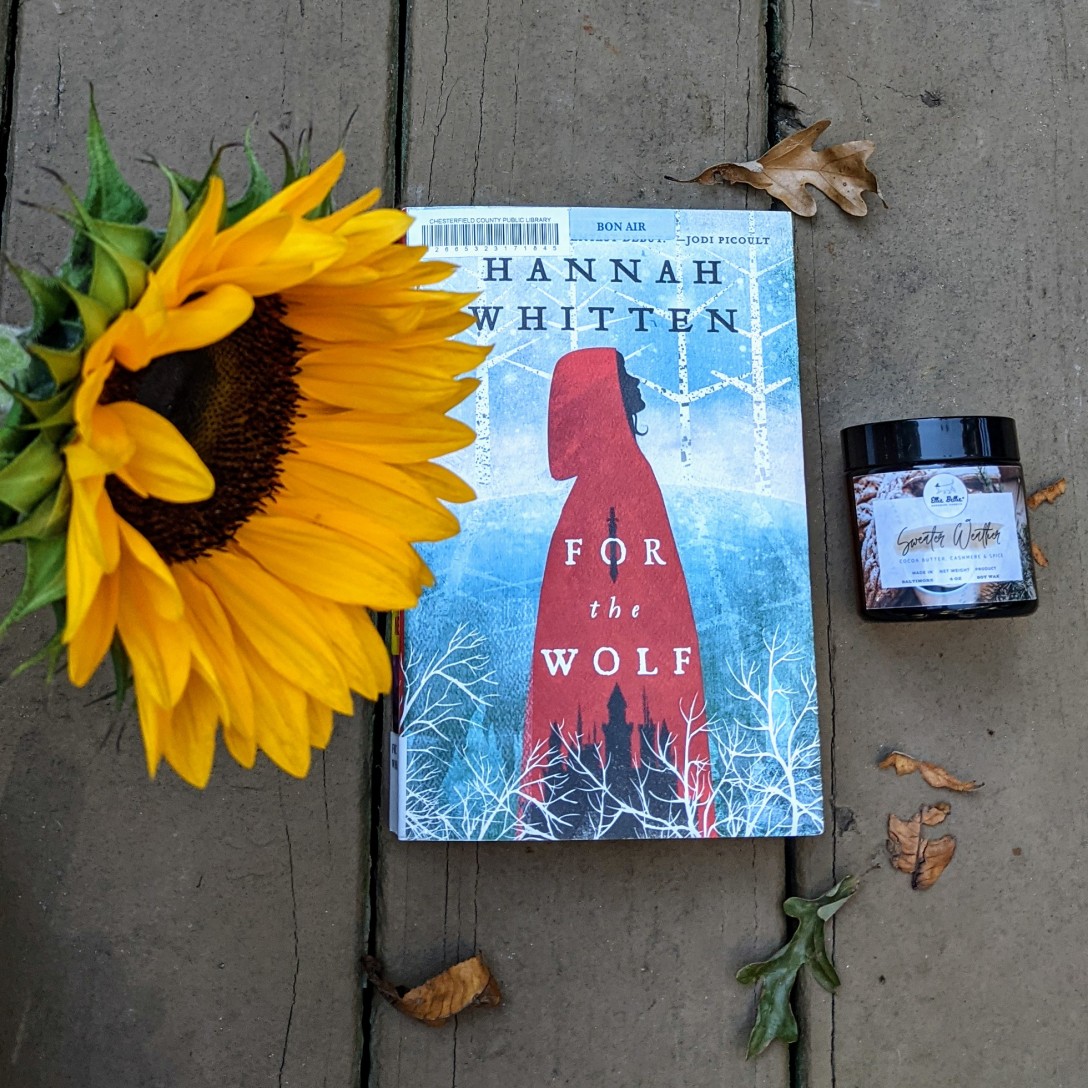
For the Wolf by Hannah Whitten
Forestborn by Elayne Audrey Becker
Defy the Night by Brigid Kemmerer
I loved all of these! For the Wolf is a slow-moving, atmospheric new adult fantasy read with plenty of creepy woods, earthy magic, and romance.
Forestborn is about a shifter named Rora, who goes on a quest with her brother and her best friend, Finley’s, brother in order to cure Finley from a magical illness. Rora is a fantastic main character, and Becker’s writing is lovely. I loved the worldbuilding and the quest storyline.
Defy the Night has dual POVs: Tessa, an apothecary who is illegally distributing medicine to cure the poor from a ravaging sickness, and Corrick, the crowned prince and King’s Justice. It’s a classic fantasy with great pacing, well-rounded characters you want to root for, and a well-written romance.
⭐⭐⭐⭐
Lakesedge by Lyndall Clipstone
ACOWAR (re-read) by Sarah J. Maas
As I’ve mentioned in a previous post, Lakesedge is a lyrical, atmospheric fantasy with dark magic, a run-down estate, and creepy, atmospheric vibes.
A Court of Wings and Ruin is the third book in the A Court of Thorns and Roses series. I already own the other two, and figured I was due for a re-read (plus it was nice to have 700 pages to read to distract me from the fact that I was in the hospital).
⭐⭐⭐.5
Small Favors by Erin A. Craig
Small Favors is a hodgepodge of YA fantasy, historical fantasy, and thriller. When monsters are rumored to have returned to the woods outside of Amity Falls, Ellerie struggles to help her family survive. This is a well-written, chaotic thriller, but ultimately the story is too drawn-out to be a 4-star read.
⭐⭐:
Much Ado About You by Samantha Young
What We Devour by Linsey Miller
Much Ado About You is a rom-com that follows Evie, a thirty-something who spontaneously decides to work in a bookshop in England. While I liked all of the Shakespeare references, the writing was just way too cheesy for me.
What We Devour is a unique book with a grim, bloody magic system in a corrupt world. While I loved the beginning, I had a hard time connecting with the characters, and I often had no clue what was going on with the repetitive plot. There is some great ace rep, as Lorena, the main character, is asexual. But unfortunately, I couldn’t connect with this book as much as I wanted to.
I’m looking forward to some great fall and Halloween themed reads in October!




 takes two to book review