
Review: The Goldfinch by Donna Tartt

Today I’m introducing a new favorite book! Check out my full spoiler-free review on our blog (link in bio!) My mom read this years ago and tried to get me to read it at the beach, but The Goldfinch is so incredibly detail-heavy that I couldn’t get into it. After reading The Secret History last year, I decided to give The Goldfinch another try.

I’m glad I did! This book is quite a feat to get through, but it’s worth the journey a hundred times over (and it made me miss New York so much!) If you like long and sweeping coming-of-age stories, this is the book for you. Like The Secret History, The Goldfinch is especially drug-heavy and most certainly not any easy read. I knew vaguely it was about art history when I started, but I never imagined the twists and turns this would take, or the impression it would leave!

What I love most about The Goldfinch is our protagonist, Theodore (Theo) Decker. Struck by tragedy in the first chapter (and then again, and again) some would say that he has an incredibly unlucky life. He makes someone bad choices that oftentimes you want to hit him over the head and scream, “What are you doing?” It’s his own difficult life and the messy relationships with the other characters–especially Boris, Pippa, Hobie, and even Popper–that give this book such a spark of life. When it was over, I’d spent so much time getting to know the characters that I didn’t want it to end!

The Goldfinch explores fate, grief and loss, the complexities of friendship, loyalty, and morality, the price of freedom, and the importance of fine art and historical objects of meaning. By the end I felt exhausted, but in the best way.

However, this book is A BRICK, which is why I found it easier to listen to on audio. The narrator did an incredible job making each character sound unique. I never would have been able to imagine Boris’s accent if I’d read this on my own.

VERDICT: 5 books! 
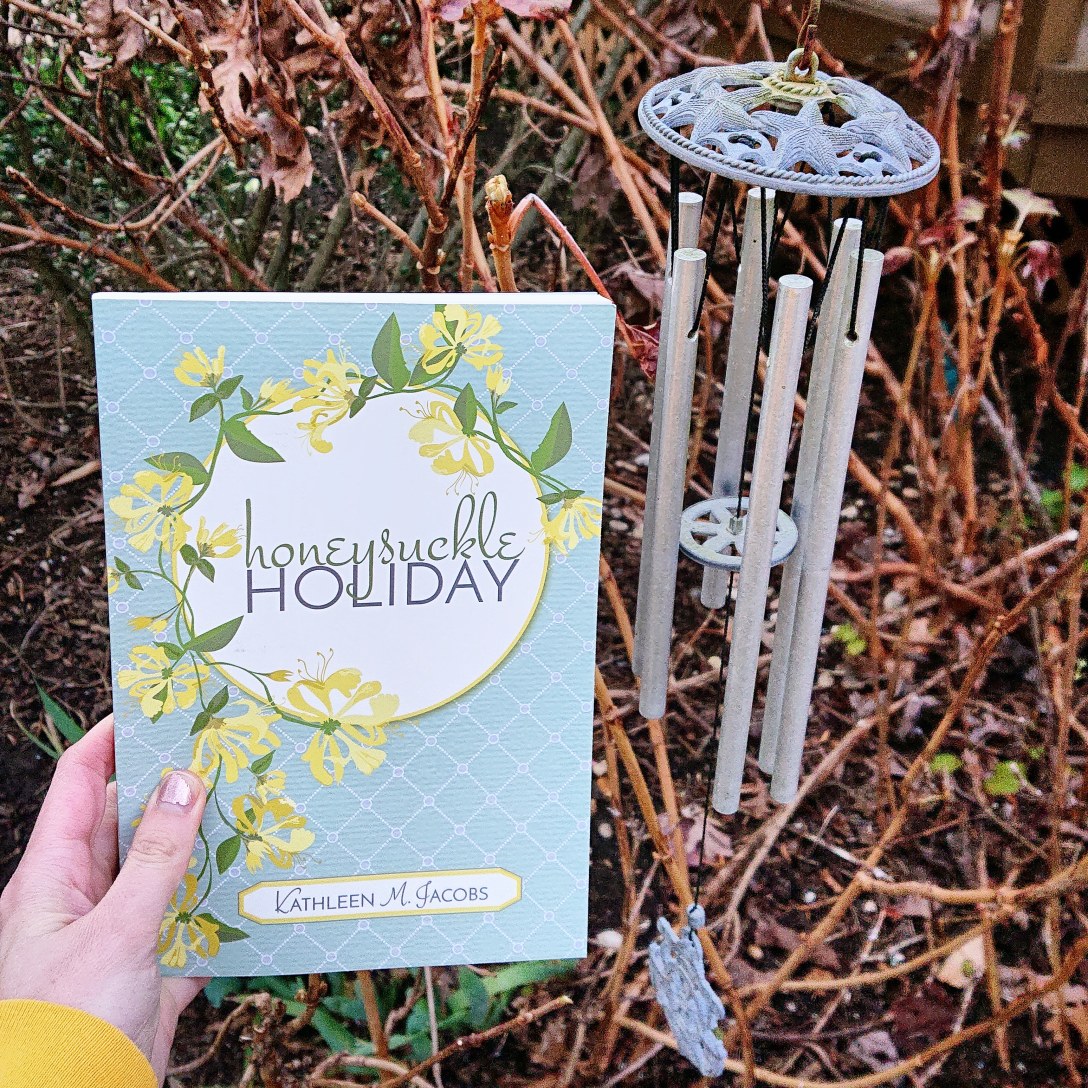
 

Review: Honeysuckle Holiday by Kathleen M. Jacobs

Alexis: Read 3/11/19

*The author sent me a copy of her book in exchange for an honest review.*

Honeysuckle Holiday was such a poignant read. Don’t let the cover fool you: this short book tackles childhood innocence and racism.

The story follows Lucy in two different time periods: 1965 and 1970, when she was twelve and sixteen-years-old. Though Honeysuckle Holiday is categorized as YA, I would describe it more as a bildungsroman/coming-of-age story. When Lucy’s father leaves, not looking back, on Christmas Day, she and her older sister, Caroline, try not to dwell on it too much. But she knows something has changed when her mother refuses to talk about him and when they have to move into a different house.

In her acknowledgements, Jacobs quotes a woman named Peggy Fox: ‘“You captured the voice of a twelve-year-old girl very well.’” And she’s right. Jacobs’ writing flows beautifully, but I was very aware that I was reading in the perspective of a twelve-year-old.

Lucy notices everything around her. She relates things to her Barbie dolls, which she admits she’s starting to outgrow. She is jealous of some of Caroline’s things but also wants to be like Caroline when she grows up. She partly knows why her dad left but is partly left in the dark. She’s curious about the world around her and asks lots of questions. Jacobs’ detailed descriptions mimic Lucy’s curious mind. I also like how she includes a lot of parenthetical phrases, as Lucy has a lot of afterthoughts.

I love all of the references Jacobs includes in her book. Lucy’s mother wears Chanel No. 5. Lucy uses a Velveeta box to hold her collection of found objects. The characters reference It’s A Wonderful Life, The Beatles, and TV shows of the time. These references cemented the story into its setting and time period, bringing it to life.

Lucy mentions To Kill a Mockingbird multiple times, and even relates herself to Scout. I found this fitting, as the story reminded me a lot of To Kill a Mockingbird. Both are told from a young perspective, but are really told for a more mature audience. Both deal with racial tensions and divides, as well as the horror of the KKK. I loved Jacobs’ inclusion of descriptions of food. The book is set in the South, and I enjoyed reading about Lila’s apple pies, okra, and Lucy’s love of steak.

While I liked how Lucy describes the honeysuckle vines ( as well as the smell) outside of her window, I don’t think the title of the story sums it up very well. Though the story itself was impactful, the title was not. To me, the honeysuckle symbolizes Lucy’s childhood innocence, and the book is about coming-of-age and losing that behind. I’m also not sure why the first couple of chapters are in Caroline’s POV.

Overall, if you’re looking for a quick read that’s packed with vivid details, that will draw you into the 60’s and 70’s, and whose message will stay with you, then I definitely recommend it.

VERDICT: 4 out of 5 books